Host country
Discover Lagos
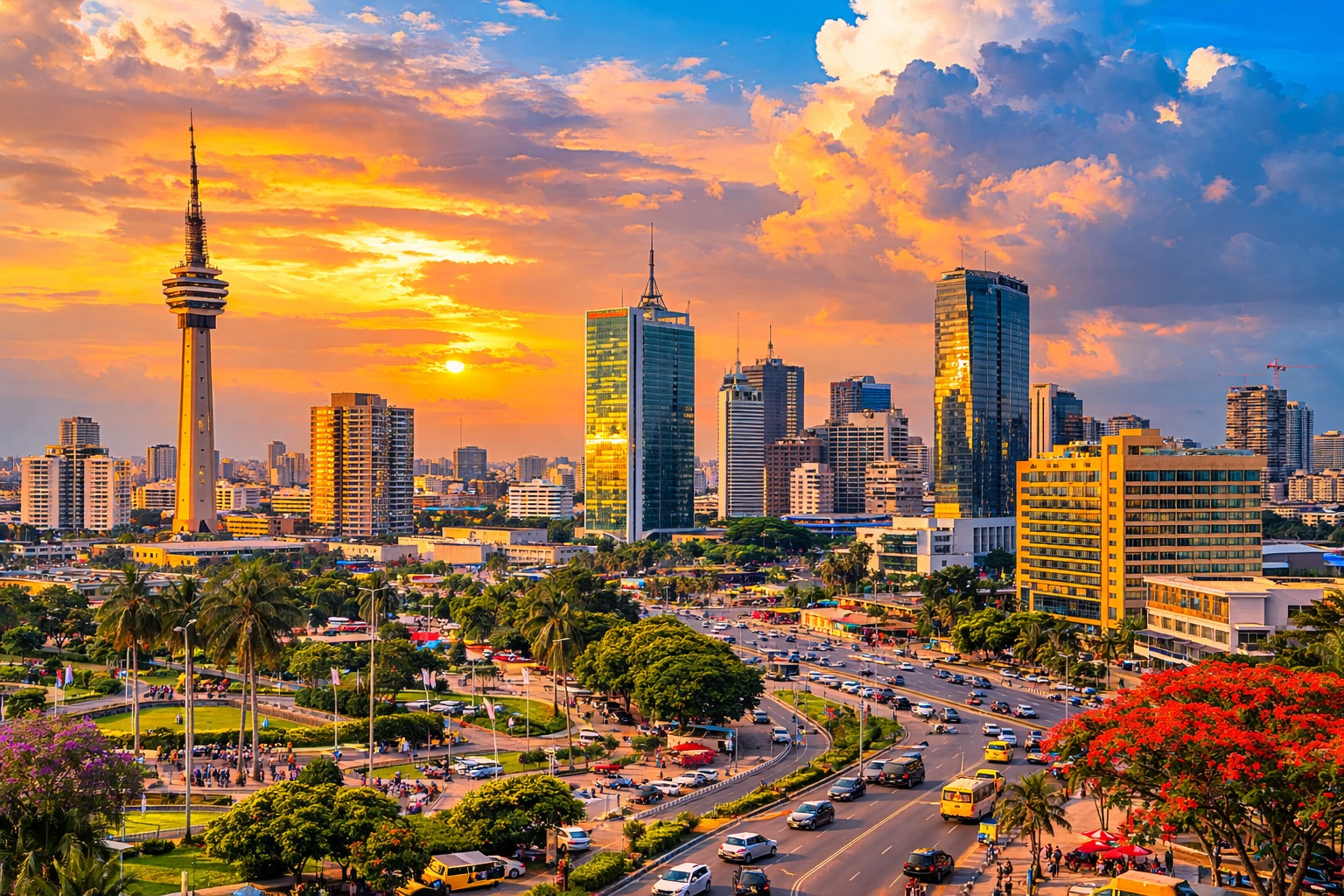
Lagos, located in South-Western Nigeria, lies along the Atlantic Ocean and serves as the country’s largest city and commercial capital. Bordered by Ogun State to the north and east and the Atlantic coastline to the south, Lagos is a dynamic coastal metropolis built around a network of lagoons, creeks, and islands.
With a population exceeding 20 million people, Lagos is one of the largest and fastest-growing cities in the world and the economic powerhouse of Nigeria and West Africa. The city consists of both mainland districts and island communities, including well-known areas such as Lagos Island, Victoria Island, Ikoyi, Lekki, and Ikeja.
Lagos offers visitors a remarkable blend of modern urban development, cultural heritage, and vibrant daily life. From bustling markets and lively entertainment districts to serene parks, beaches, and waterfront promenades, the city reflects the energy, diversity, and creativity that define Nigeria.
Known for its entrepreneurial spirit, music, art, cuisine, and hospitality, Lagos welcomes visitors with a unique mix of tradition and innovation, making it one of Africa’s most exciting destinations for business, tourism, and cultural exploration.
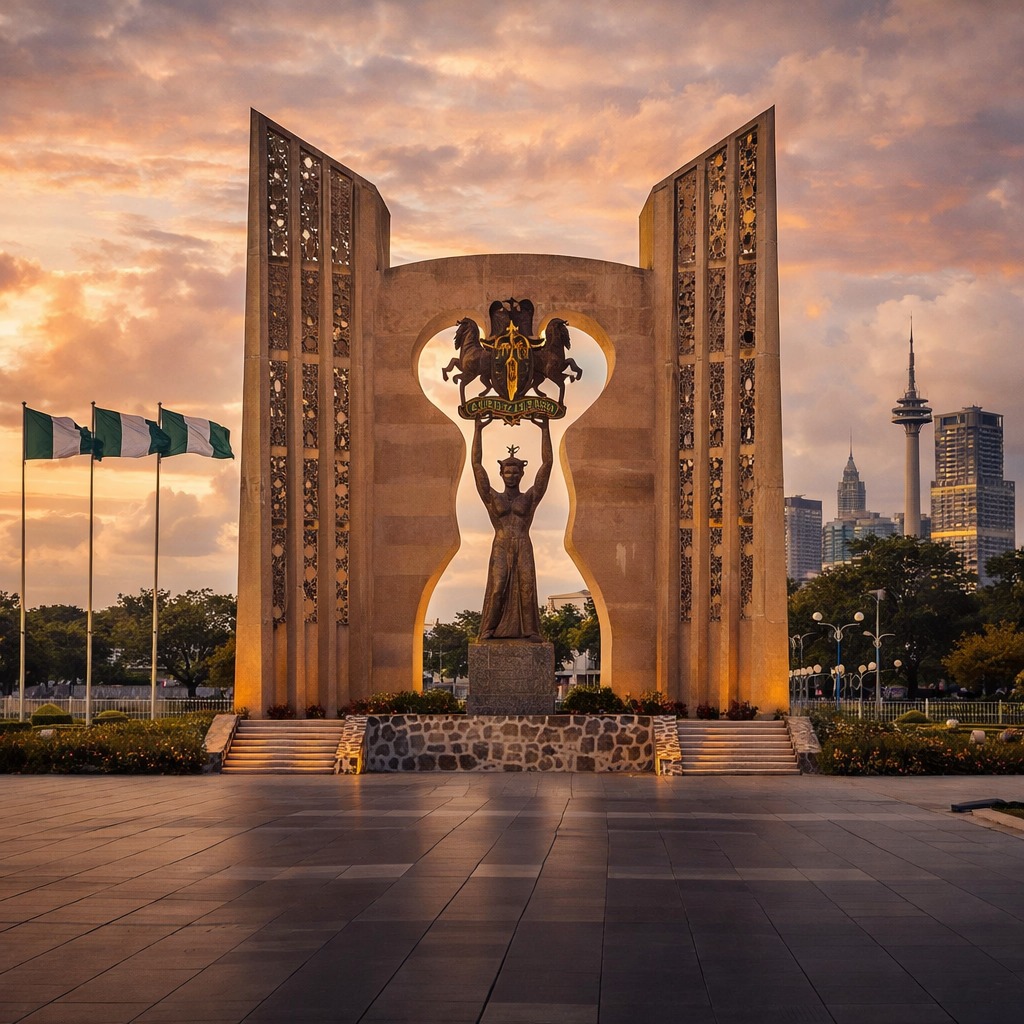
History
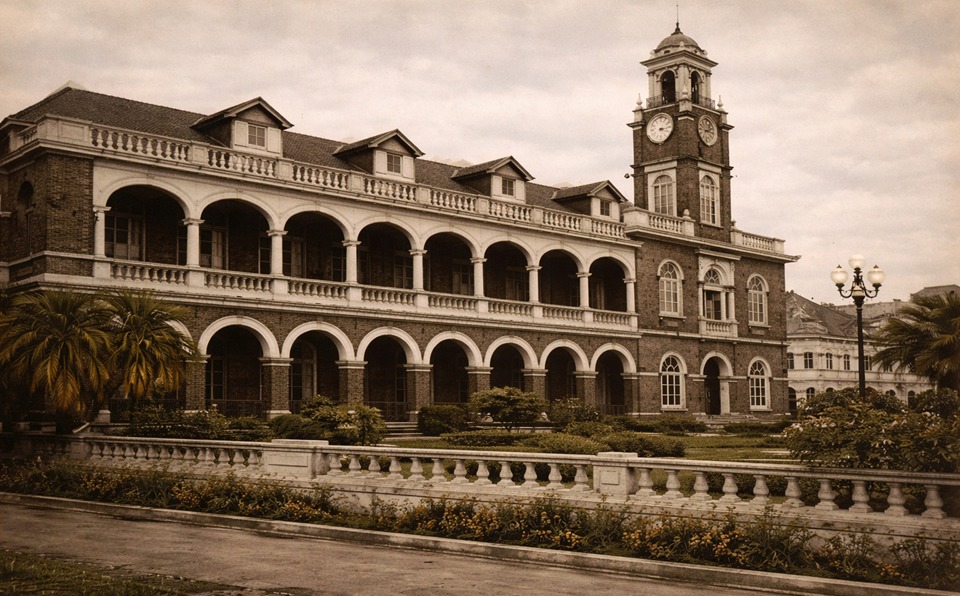
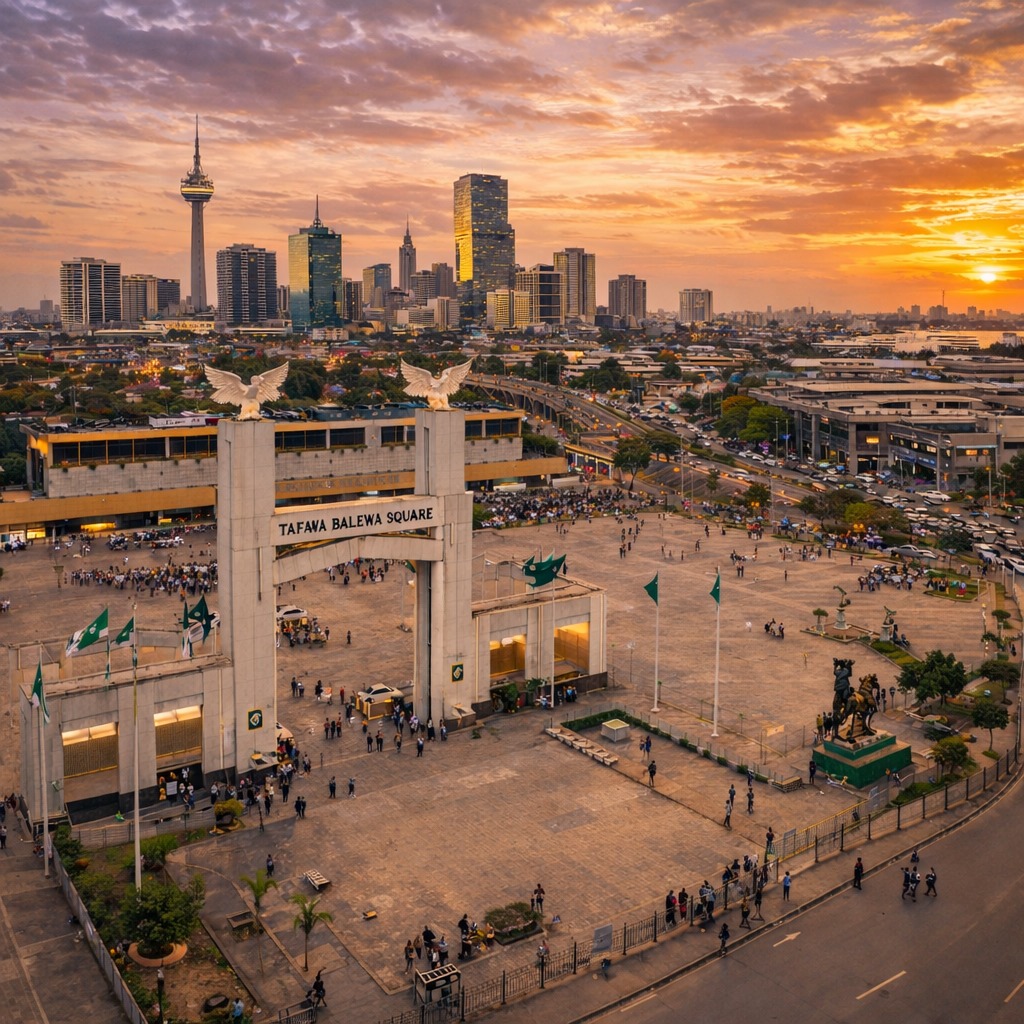
The history of Lagos dates back several centuries when the area was originally inhabited by the Awori subgroup of the Yoruba people. According to oral tradition, the Awori migrated from Ile-Ife, the cradle of Yoruba civilization, and settled on the islands and mainland areas that today make up Lagos. One of the earliest settlements was Isheri, from where communities later expanded to Oko (Lagos Island).
In the 15th century, Portuguese explorers arrived on the coast and named the area “Lagos,” meaning lakes, because of its network of lagoons and waterways. During this period, Lagos developed as an important coastal settlement and trading center under the leadership of the Oba of Lagos, who governed the kingdom with the support of chiefs and traditional institutions.
By the 18th and early 19th centuries, Lagos had become a major hub in regional trade. The city was also involved in the Atlantic slave trade, which connected West Africa with Europe and the Americas. However, in 1861, Lagos was formally annexed by the British, becoming a British colony. This marked the beginning of significant administrative, commercial, and infrastructural development.
In 1914, Lagos became the capital of the newly amalgamated Colony and Protectorate of Nigeria under British colonial rule. The city grew rapidly as a center of government, commerce, education, and international trade. Modern roads, railways, ports, and administrative buildings were constructed during this period.
Following Nigeria’s independence in 1960, Lagos remained the capital of Nigeria until 1991, when the federal capital was moved to Abuja. Despite this change, Lagos continued to grow as the country’s economic and financial powerhouse.
Today, Lagos is recognized as one of Africa’s largest and most dynamic cities, known for its rich cultural heritage, entrepreneurial spirit, thriving arts and entertainment industry, and its role as the commercial gateway to Nigeria and West Africa.
Culture & Belief
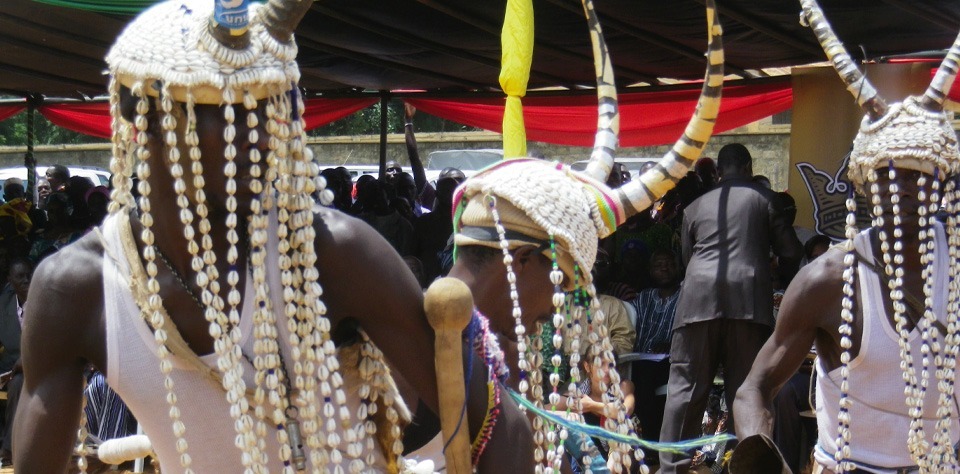
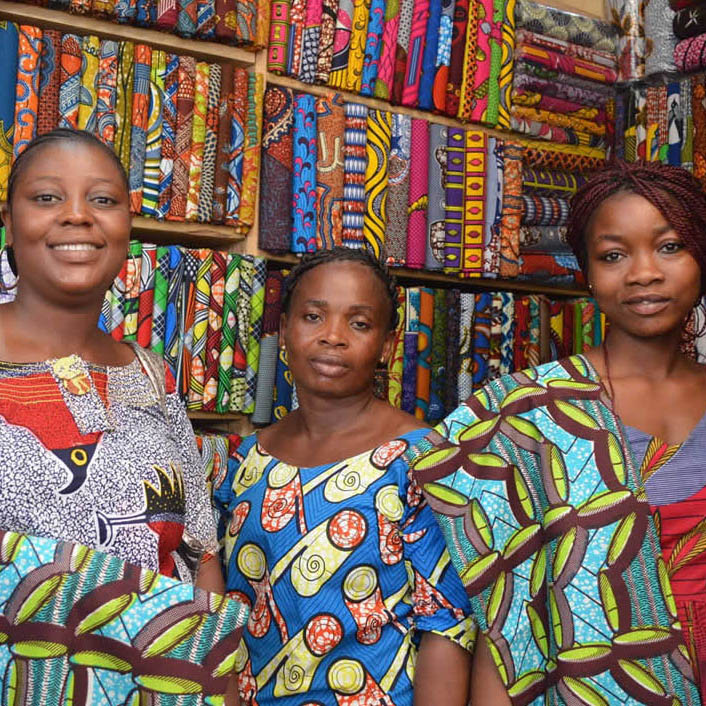
Togo is a mine of authentic traditions and cultures jealously preserved by the mosaic of ethnic groups who live there (Adja-Ewé, Kabyè-Tem, Para-Gourma, Akposso-Akébou, Ana-Ifè).
Togo offers a beautiful route along its 650 km, allowing visitors to discover the many ethnic groups that make it up and their unique traditions.
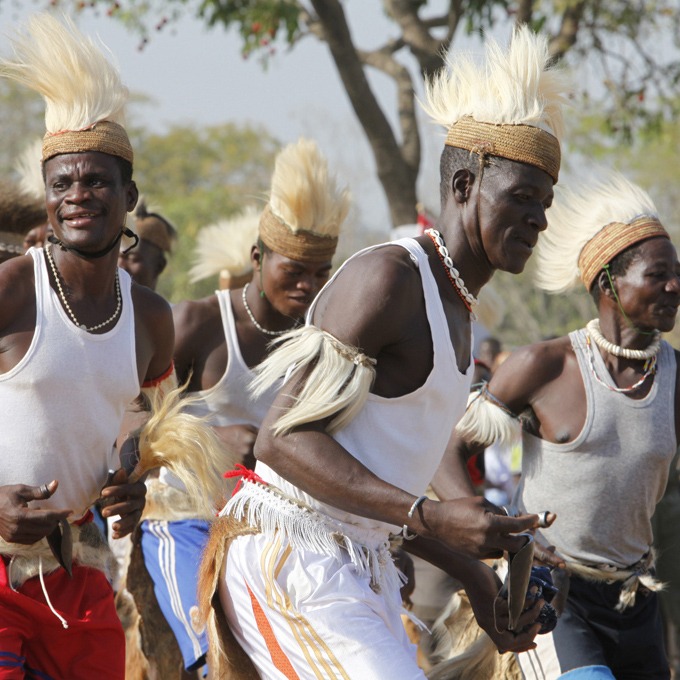
From the Ewé and Guin populations in the south, Ifè in the plateaus and Tem in the central region, passing through the Bassar, Kabyè and Tamberma of the Kara region to the Moba-Gourma of the far north, there are so many peoples who have remained deeply rooted in their traditions that Togo offers to discover.
On the religious level, the 2015 QUIBB survey reveals that 50.1% of the population are Christians, 19.2% are Muslims, 19.7% practice traditional religion, 8.7% are without religion, and the remainder constitutes 2.3% of other religions. Traditional religion links man and the forces of nature in a set of customs and rites. The supreme being, God, “Mawu or Esso,” can only be reached, according to traditional practices, by worshipping tutelary deities that can be animals or elements of nature such as water, wind, mountains, or trees. These religious practices aim to maintain or restore balance and harmony between all the forces of the universe.
They vary according to ethnic groups and regions but have in common the cult of ancestors and initiations as well as rites relating to life events and human activities, namely, birth, marriage, healing, death and life in the afterlife, hunting, sowing and harvesting.
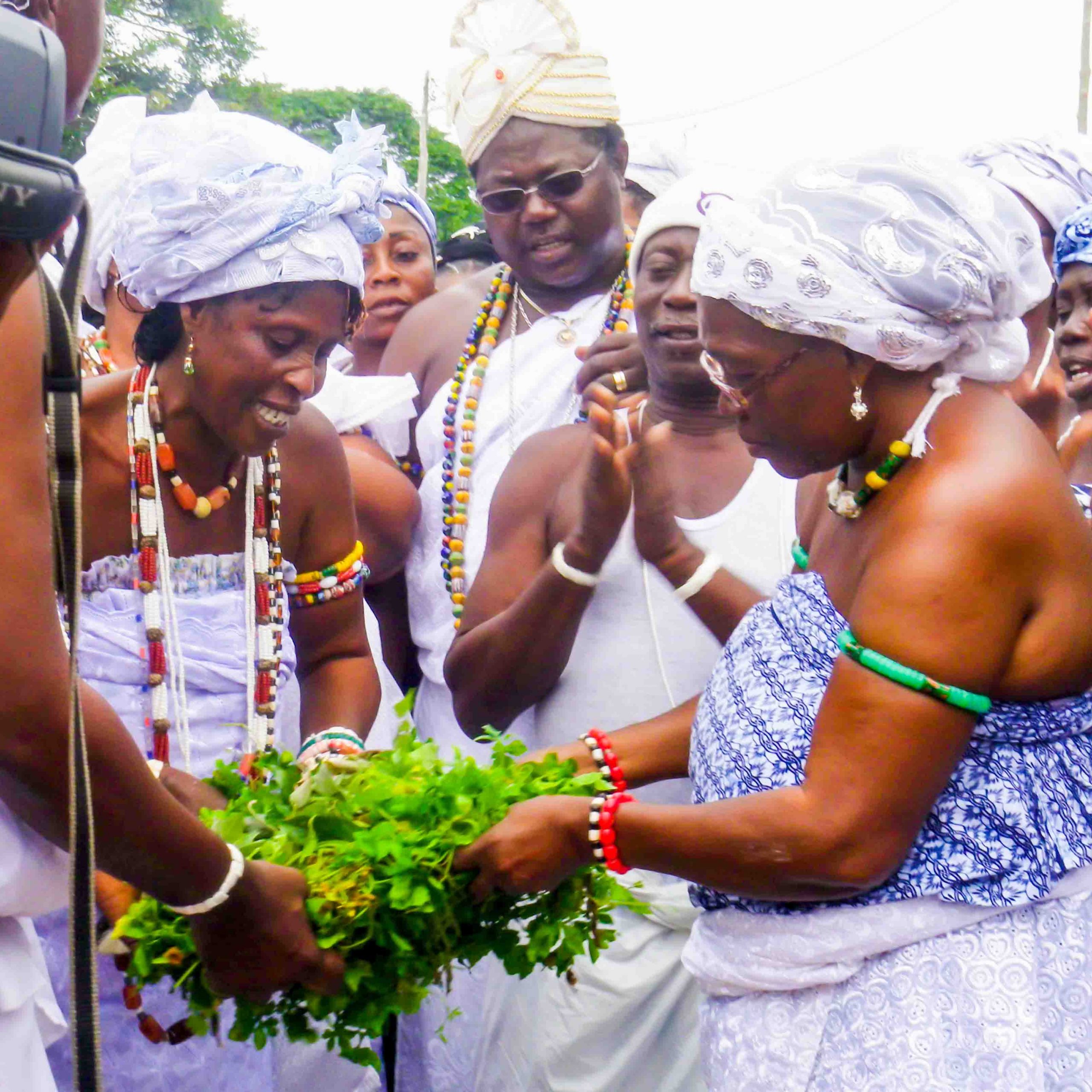
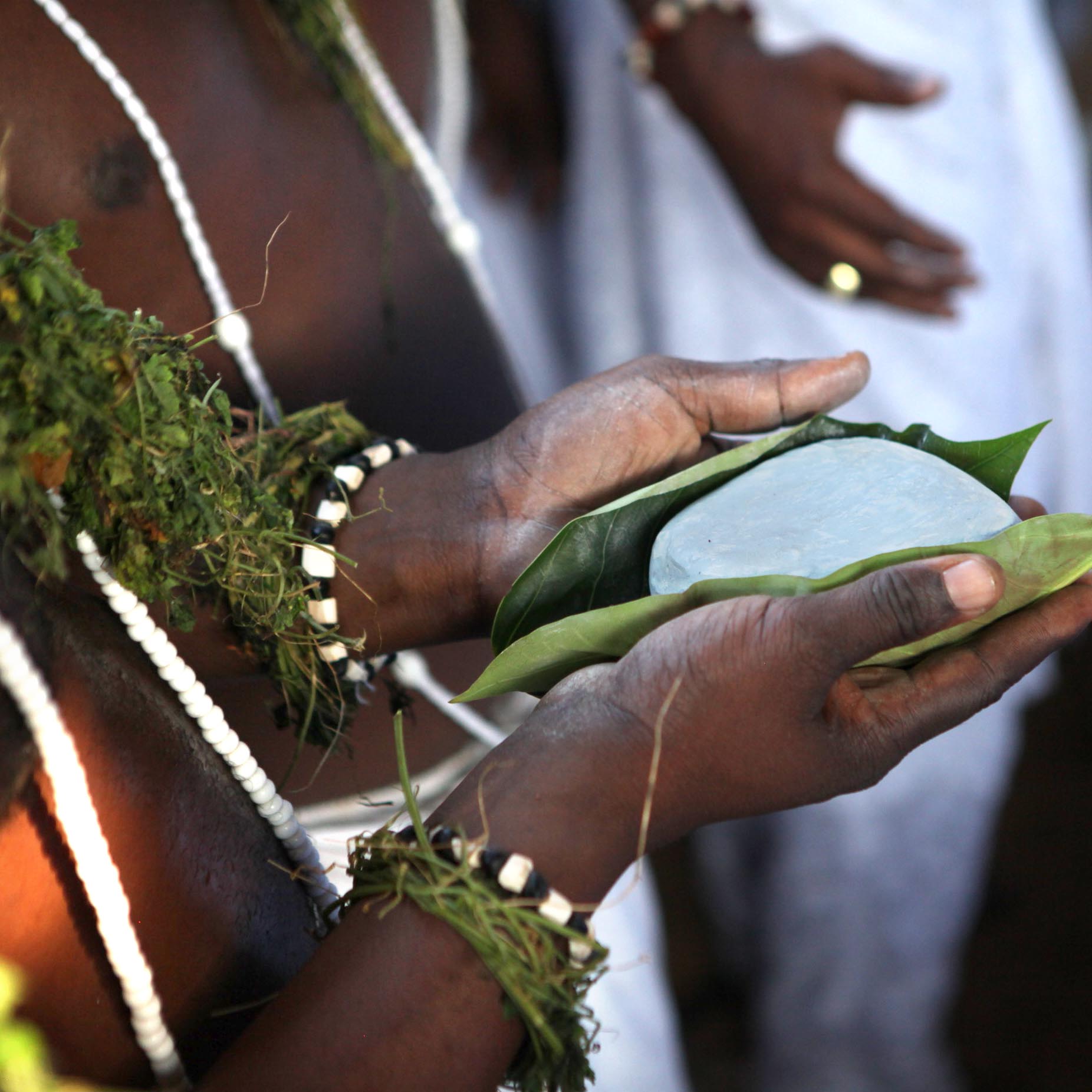
In the south, Vodou is widely practiced, a cult linked to the worship of great spirits such as Hebiesso, Dan, Sakpata, Goun, Mami… The oracle “Fa” is also consulted. Vodou initiates speak a secret language and rigorously observe customs and taboos. During ceremonies, followers enter into trances and communicate with the spirits.
Travel agencies offer tours to Voodoo shrines to witness ceremonies involving songs, dances, and esoteric rites performed by priests and followers in their ceremonial attire.
The Magnificent Cities of Togo
With its words and wonders, the cities of Togo have everything to captivate its visitors.